



Target Company Research Template is a structured way to collect, organize, and evaluate important information about a company before contacting, selling to, partnering with, or applying to that organization. A good research template helps you understand a target company’s business model, industry, customers, competitors, decision-makers, goals, challenges, and opportunities.
For sales professionals, marketers, recruiters, freelancers, agencies, and business development teams, company research can make outreach more relevant and effective. Instead of sending the same message to every organization, you can use researched information to understand what a company actually needs and create a more personalized approach.
This guide explains what a target company research template is, what information it should contain, how to use one step by step, common mistakes to avoid, and a practical template you can adapt for your own business research.
What Is a Target Company Research Template?
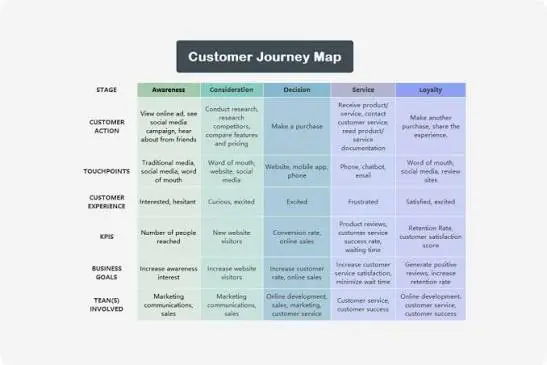
A Target Company Research Template is a standardized document or worksheet used to collect essential information about a company in one organized place.
The goal is simple: understand the company before making an important business decision or starting outreach.
A useful template may include:
- Company name and website
- Industry and business category
- Company size
- Location and operating markets
- Products or services
- Target customers
- Business model
- Key competitors
- Company goals
- Recent developments
- Decision-makers
- Marketing channels
- Technology or tools
- Potential business challenges
- Opportunities for your service or product
- Outreach notes
- Follow-up information
The exact fields can vary depending on whether you are researching a prospect for sales, a potential employer, a business partner, or a marketing campaign.
Why Is Target Company Research Important?
Target company research helps you replace assumptions with relevant information.
Before contacting a company, you should understand who they are, what they offer, who they serve, and what problems they may be trying to solve. This allows you to make better decisions and communicate with greater relevance.
1. It Makes Outreach More Relevant
A researched prospect is easier to approach with a specific message.
For example, instead of writing:
“We provide SEO services and would love to work with your company.”
You could identify a specific area of opportunity, such as technical SEO, content visibility, backlink acquisition, or competitor analysis, and explain why it may be relevant.
The second approach demonstrates that you have taken time to understand the business.
2. It Helps Identify the Right Decision-Maker
Companies often have multiple people involved in purchasing decisions.
Depending on the service, the appropriate contact could be:
- CEO
- Founder
- Marketing Director
- Head of Marketing
- SEO Manager
- Sales Director
- Business Development Manager
- HR Manager
- Procurement Manager
A research template allows you to record the appropriate contact instead of randomly approaching employees.
3. It Improves Lead Qualification
Not every company is a good prospect.
Research can help you determine whether a company fits your ideal customer profile. You can evaluate factors such as industry, company size, location, budget indicators, business needs, and potential fit.
4. It Saves Time
A consistent template means you don’t have to decide from scratch what information to collect for every company.
You can create a repeatable research process and focus your time on information that actually influences your decision.
What Should a Target Company Research Template Include?
A strong template should contain enough information to support a business decision without becoming unnecessarily complicated.
Here is a practical structure.
Company Overview
Start with basic information that identifies the organization.
Company Name:
Website:
Industry:
Headquarters:
Founded:
Company Size:
Primary Market:
Business Type:
Company Description:
This section gives you a quick overview of the organization.
Products and Services
Record the company’s primary products or services.
Ask:
- What does the company sell?
- Which products or services appear most important?
- Are there different product categories?
- Does the company focus on B2B, B2C, or both?
- What makes its offering different?
Understanding the actual offer is essential before analyzing the company’s marketing or sales strategy.
Target Audience
Identify the people or organizations the company serves.
Consider:
- Customer type
- Industry
- Geographic market
- Buyer needs
- Customer problems
- Price sensitivity
- Purchase behavior
For a B2B company, you may also want to identify the typical business size and job roles involved in purchasing.
Business Model
Determine how the company makes money.
For example, it may operate through:
- Subscription services
- Software licensing
- E-commerce
- Professional services
- Advertising
- Consulting
- Marketplace commissions
- Direct product sales
- Memberships
Understanding the business model helps you evaluate which marketing and growth strategies may be important to the organization.
Competitor Research
Competitor analysis is one of the most valuable parts of a target company research template.
Record several major competitors and compare them with the target company.
Look at:
- Products and services
- Pricing approach
- Website quality
- Content strategy
- Search visibility
- Social media presence
- Brand positioning
- Customer reviews
- Unique selling propositions
You don’t need to analyze every competitor. Focus on competitors that are commercially relevant and directly compete for similar customers.
Example Competitor Research
| Research Area | Target Company | Competitor A | Competitor B |
| Main Product | SaaS platform | SaaS platform | SaaS platform |
| Target Market | Small businesses | Small businesses | Mid-market |
| Content Strategy | Blog + guides | Blog + video | Resources |
| Main Strength | Ease of use | Pricing | Features |
| Potential Gap | Limited resources | Weak support content | Complex onboarding |
This type of comparison can reveal opportunities that are difficult to see when researching only one company.
Website and SEO Research
If you are an SEO professional, digital marketer, content writer, or agency, website research should be a major part of your template.
Record observations about:
- Website structure
- Main service pages
- Blog content
- Organic search visibility
- Keyword targeting
- Internal linking
- Metadata
- Page speed
- Mobile usability
- Backlink profile
- Content quality
- Local SEO signals
- Technical SEO issues
You should avoid treating every technical issue as a business opportunity. Prioritize findings that could realistically affect visibility, user experience, conversions, or business objectives.
Content Research
Review the company’s existing content.
Ask:
- Does the company publish regularly?
- What topics does it cover?
- Who appears to be the intended reader?
- Are important customer questions unanswered?
- Does the company demonstrate expertise?
- Are there outdated pages?
- Are competitors covering topics the company has missed?
These observations can help you identify practical content opportunities.
Decision-Maker Research
Finding the right contact is particularly important for sales and business development.
Create fields such as:
Contact Name:
Job Title:
Department:
LinkedIn Profile:
Business Email:
Role in Buying Decision:
Relevant Notes:
Only record information that is publicly available and appropriate for legitimate business communication.
The purpose is not to collect excessive personal information. The goal is to understand who is most relevant to your professional conversation.
Company Goals and Recent Developments
Look for reliable signals about what the company is currently focused on.
Useful sources can include:
- Official company website
- Company blog
- Press releases
- Public announcements
- Executive statements
- Official social profiles
- Job postings
- Industry publications
- Regulatory or public filings where applicable
You might discover that a company is:
- Entering a new market
- Launching a product
- Expanding a team
- Hiring for a specific department
- Increasing content production
- Rebranding
- Expanding internationally
- Investing in technology
These signals can make your research much more actionable.
Identify Business Challenges
After collecting information, ask a more important question:
What business problem could this company potentially be trying to solve?
Possible challenges might include:
- Low search visibility
- Poor website conversion
- Weak brand awareness
- Limited content production
- Difficulty generating qualified leads
- Competitive pressure
- Expansion into new markets
- Customer retention challenges
- Inefficient internal processes
Be careful with this section. A researcher’s assumption is not the same as a confirmed company problem.
Use language such as “potential opportunity,” “possible challenge,” or “area worth investigating” unless the company has publicly confirmed the issue.
Identify Your Opportunity
Once you understand the company, determine whether your product or service can genuinely help.
For example, an SEO agency could record:
Potential Opportunity: Improve organic visibility for commercial service keywords.
Reason: Competitors appear to have stronger topic coverage and more authoritative pages.
Recommended Approach: Conduct keyword research, competitor analysis, technical SEO review, content-gap analysis, and link-building assessment.
This makes the research useful rather than simply creating a collection of facts.
How to Use a Target Company Research Template
A template works best when you follow a consistent process.
Step 1: Define Your Ideal Target Company
Before researching individual companies, establish your criteria.
Consider:
- Industry
- Location
- Company size
- Revenue range where reliably available
- Business model
- Target customer
- Services needed
- Technology requirements
- Budget indicators
- Growth stage
This helps you avoid spending time researching organizations that are unlikely to be a good fit.
Step 2: Collect Basic Company Information
Visit the company’s official website and identify its core products, services, audience, and market.
Do not rely on a single third-party source when important information can be verified directly.
Step 3: Research the Company’s Market
Understand the industry and competitive environment.
Identify relevant competitors and determine how the company positions itself.
Step 4: Analyze the Company’s Digital Presence
Review its website, search presence, content, social channels, and other relevant marketing assets.
Focus on observations that could affect your specific objective.
Step 5: Find Relevant Decision-Makers
Identify the appropriate professional contact based on your service or purpose.
For example, an SEO proposal may be more relevant to a marketing leader than someone working in accounting.
Step 6: Record Opportunities
Turn your research into actionable observations.
Instead of writing:
“Their website has a blog.”
Write:
“The blog covers general industry topics but appears to have limited content targeting high-intent service searches.”
The second observation is much more useful.
Step 7: Create a Personalized Action Plan
Use your findings to decide what happens next.
That might mean:
- Send personalized outreach
- Request a meeting
- Prepare an audit
- Develop a proposal
- Monitor the company
- Add the company to a qualified prospect list
- Decide not to pursue the company
Target Company Research Template You Can Copy
Use the following structure in Google Sheets, Excel, Notion, Airtable, or your preferred research system.
Company Information
Company Name:
Website:
Industry:
Headquarters:
Founded:
Company Size:
Business Model:
Primary Market:
Company Description:
Products and Services
Main Products:
Main Services:
Primary Revenue Offering:
Unique Selling Proposition:
Target Audience
Ideal Customer:
Customer Industry:
Geographic Market:
Primary Customer Needs:
Competitors
Competitor 1:
Competitor 2:
Competitor 3:
Competitive Advantages:
Competitive Weaknesses:
Marketing and SEO
Website Quality:
Main Service Pages:
Blog/Content Strategy:
SEO Opportunities:
Content Gaps:
Backlink Opportunities:
Social Media Presence:
Decision-Maker
Name:
Job Title:
Department:
Professional Profile:
Business Contact:
Business Research
Recent Development:
Current Growth Signal:
Potential Challenge:
Potential Opportunity:
Relevant Company Goal:
Outreach Strategy
Reason for Contact:
Personalization Point:
Recommended Service/Product:
Key Value Proposition:
Next Step:
Follow-Up Date:
Benefits of Using a Target Company Research Template
A well-designed template provides several practical advantages.
Better Personalization
Your communication can reflect the company’s actual situation instead of relying on generic sales language.
More Consistent Research
Every company can be evaluated using the same basic criteria, making comparisons easier.
Better Lead Prioritization
Research helps distinguish high-potential prospects from companies that are unlikely to be a good fit.
Stronger Business Decisions
Whether you’re selling, hiring, partnering, or investing, structured research gives you a clearer basis for your decision.
Easier Team Collaboration
A shared research format allows different team members to understand the same company without repeating the entire research process.
Limitations of Company Research Templates
A template is useful, but it cannot replace judgment.
Public information may be:
- Outdated
- Incomplete
- Promotional
- Inaccurate
- Taken out of context
Company priorities can also change quickly.
For that reason, research should be treated as a decision-support tool rather than absolute truth.
Another limitation is over-researching. Spending hours collecting information that has no effect on your decision can reduce productivity.
The best template collects relevant information, not every available piece of information.
Common Target Company Research Mistakes
Researching Without a Goal
If you don’t know why you’re researching the company, you may collect unnecessary information.
Define the purpose first.
Relying on One Source
Important claims should ideally be verified using reliable sources, especially when they influence a business decision.
Collecting Too Much Information
A 20-page company profile is not necessarily better than a focused one-page research summary.
Making Unsupported Assumptions
Don’t assume that a company has a specific problem simply because you found an apparent weakness.
Use evidence and clearly distinguish facts from hypotheses.
Ignoring Recent Changes
Old information may no longer represent the company’s current priorities.
Check recent announcements and other current signals whenever they matter to your research.
Using Generic Outreach
Research has little value if you don’t use it.
The purpose of company research is to improve your understanding and make the next action more relevant.
Tips for Better Company Research
For more effective research, keep these practices in mind:
- Start with the company’s official website.
- Define your research objective before collecting data.
- Focus on commercially relevant information.
- Verify important facts.
- Separate facts from assumptions.
- Research competitors for context.
- Look for recent business signals.
- Identify the most relevant decision-maker.
- Record actionable opportunities.
- Keep your template simple enough to use consistently.
- Update research when a prospect becomes active again.
- Respect privacy and applicable data-protection requirements.
How Companies Can Use Research for Better Outreach
Company research is particularly valuable when preparing personalized B2B outreach.
For example, suppose you provide content marketing services and discover that a target company has strong product pages but limited educational content.
Instead of promoting your service broadly, you could focus your communication around a specific opportunity: building useful educational resources that support customer questions and commercial search intent.
The research becomes the foundation for the conversation.
This approach can also work for:
- SEO agencies
- Web development companies
- SaaS businesses
- Marketing agencies
- Recruitment firms
- Consulting companies
- Freelancers
- Business development teams
- PR agencies
- B2B sales teams
Frequently Asked Questions
What is a Target Company Research Template?
A Target Company Research Template is a structured format for collecting important information about a business. It typically includes company details, products, customers, competitors, decision-makers, marketing activity, business goals, potential challenges, and opportunities. The template helps sales, marketing, recruiting, and business development professionals perform consistent and useful company research.
What information should I include in company research?
Start with the company’s name, website, industry, location, products or services, target audience, business model, competitors, decision-makers, recent developments, marketing activity, potential challenges, and relevant opportunities. The exact fields should depend on your research objective. Avoid collecting information that does not help you make a decision or take a useful next step.
How can company research improve sales outreach?
Company research allows you to personalize outreach around relevant business information rather than using a generic message. You can identify the appropriate decision-maker, understand the company’s offering, recognize potential opportunities, and explain why your product or service may be relevant. This creates a more informed starting point for a professional business conversation.
Should I use a spreadsheet or a document for company research?
A spreadsheet is usually better when researching many companies because information can be standardized, filtered, sorted, and compared. A document or Notion-style page may work better when each company requires detailed qualitative research. For larger teams, a CRM or structured database can combine company research with contact and sales information.
How often should target company research be updated?
Update research whenever important company information changes or before beginning a significant outreach campaign. Major changes such as new products, leadership changes, market expansion, hiring activity, acquisitions, or repositioning can affect your approach. For active prospects, review important information shortly before contacting them so your message remains relevant.
Conclusion
A Target Company Research Template turns scattered company information into a structured research process. It helps you understand a company’s business model, customers, competitors, marketing activity, decision-makers, goals, and potential opportunities before taking action.
The most effective approach is not to collect as much information as possible. Instead, collect the right information for your specific objective, verify important facts, distinguish evidence from assumptions, and turn your findings into a practical next step.
If you regularly conduct prospect research, sales outreach, SEO analysis, recruitment, or business development, create one reusable template and refine it as you learn which information actually helps you make better decisions.
Practical next step: Copy the template above into Google Sheets, Excel, Notion, or your CRM and customize the fields around your target industry and business goals.
